The Hidden Curriculum of Leadership: Modeling Emotional Regulation for Staff and Students
Leadership is emotional work. Every tone, pause, and response teaches something about how we handle stress and connection. When leaders model calm and compassion, they strengthen the culture around them and remind others that real leadership begins with awareness, empathy, and courage.
Every day as a principal, I am reminded that leadership is emotional work. The hallway conversations, the student conflicts, the moments when teachers need reassurance all carry weight. What I model in those moments matters just as much as what I say. The truth is that we teach emotional regulation long before we ever use the term. Our tone, our body language, and the pauses between words become lessons for the people we lead.
Through experience, I have learned that calm is contagious. When I center myself before a difficult conversation, I can feel the energy shift in the room. That awareness did not come naturally. It came from moments when I reacted too quickly, when my own frustration took the lead, and I saw the impact ripple through others. Leadership, especially in schools, demands emotional steadiness not because perfection is expected, but because people look to us for cues on how to respond to uncertainty.
Research continues to show what many of us know intuitively. Emotional intelligence is foundational to healthy schools. Studies on leadership and well-being highlight that when leaders regulate their emotions effectively, staff stress decreases and collective trust increases. Daniel Goleman and Marc Brackett have both emphasized the power of emotional awareness. Brackett’s RULER framework shows that recognizing, understanding, labeling, expressing, and regulating emotions leads to stronger relationships and more effective learning environments. When leaders embody these skills, they create cultures where people feel safe enough to be human.
In my own school, I have seen how this plays out. When teachers feel supported, they extend that same patience and empathy to students. When I take time to listen rather than rush to fix, it communicates that emotional honesty is not a weakness. It is part of the work. Our ability to lead with emotional intelligence does more than reduce stress. It transforms the way our communities function.
Here are a few practices that have helped me strengthen emotional regulation in leadership.
Create intentional listening time. I block a few minutes after meetings to truly hear what people are saying, not just what they report. I resist the urge to multitask or plan my response. This builds trust faster than any initiative ever could.
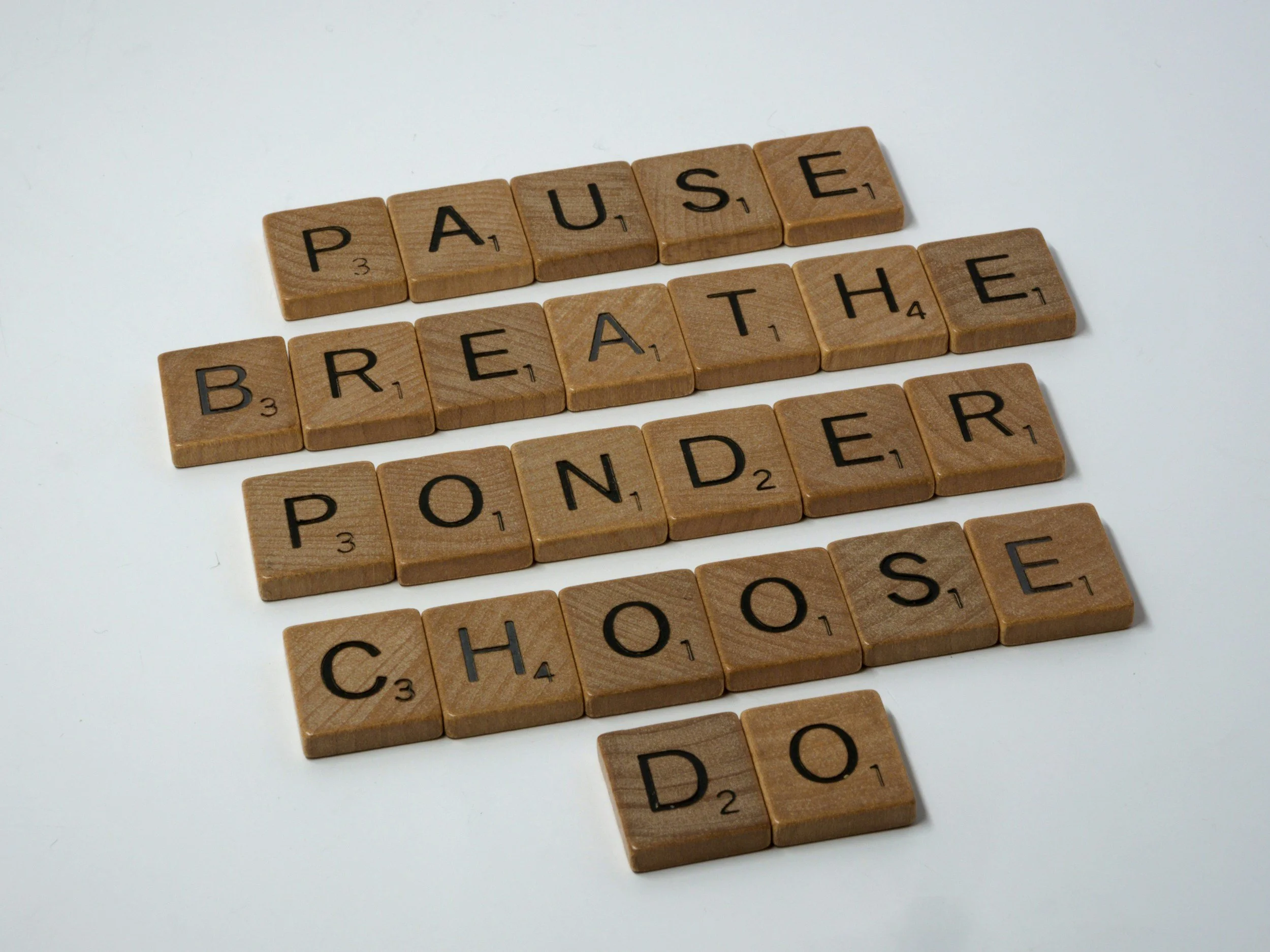
Pause before responding. I use what I call the two-breath pause. The first breath is to notice what I am feeling and the second is to choose how to respond. That small space between reaction and response has preserved many relationships.
Model emotional transparency. When I acknowledge a hard day or share that I need a moment to regroup, it gives others permission to do the same. It is not about vulnerability for its own sake. It is about modeling balance.
Integrate emotion skills into adult spaces. Quick mood check-ins at staff meetings or reflection prompts in PLCs remind everyone that emotional awareness belongs in professional settings, too.
Protect your own regulation. Leadership often means absorbing the emotions of others. I have learned that I cannot lead well when I am depleted. Stepping outside between meetings, taking a short walk, or finding a quiet minute to breathe is not self-indulgent. It is leadership maintenance.
Emotional regulation is not about control. It is about awareness. The most powerful leaders I know are not the loudest or the most unshakable. They are the ones who stay grounded when things get hard, who make people feel safe enough to be honest, and who remind us that empathy and excellence can coexist.
Each moment we choose presence over reaction, we strengthen the culture around us. When we lead with calm and compassion, we do more than guide a school. We show others what it means to lead with heart and courage, and that is what lasting leadership looks like.